
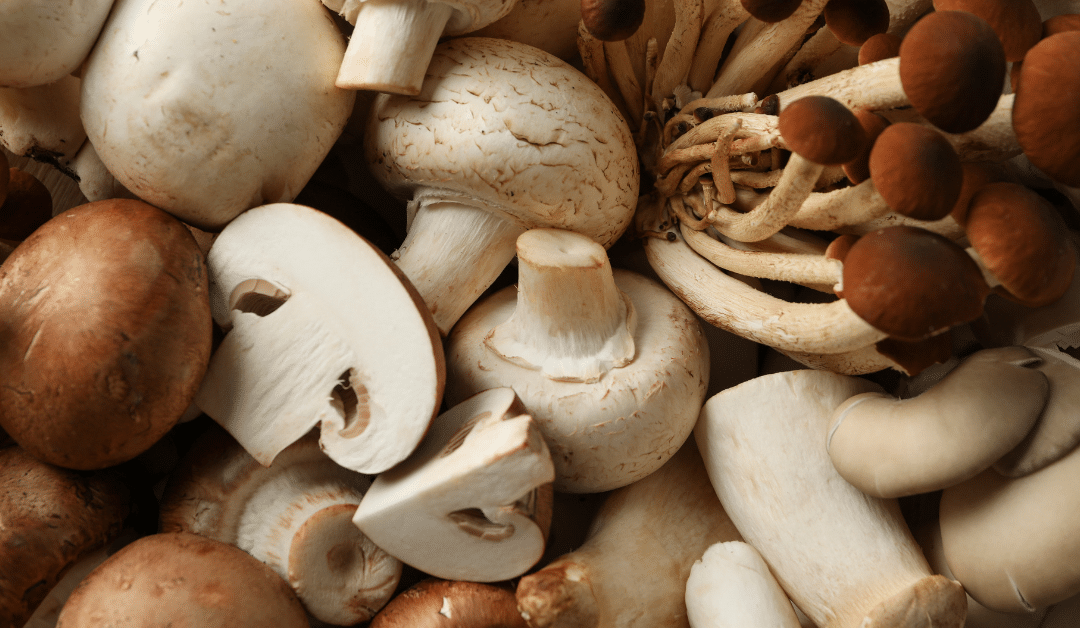
Fresh food distribution depends on precision, timing, and careful handling. Few products highlight this more clearly than mushroom shipments, which are highly sensitive to temperature, moisture, and physical handling. Maintaining freshness from harvest to delivery requires a coordinated cold chain that protects quality at every stage.
Cold chain logistics refers to the temperature-controlled system used to store, transport, and handle perishable goods. For products like mushroom varieties, this system is essential. Even small disruptions in temperature or airflow can lead to spoilage, reduced shelf life, and product loss.
Understanding how cold chain logistics works helps explain why it is so important for preserving freshness and maintaining consistent product quality. Below are five key ways cold chain logistics protect mushroom freshness across the supply chain.
1. Maintaining Consistent Temperature From Start to Finish
Temperature control is the foundation of any cold chain system. Fresh produce begins to degrade when it is exposed to temperatures outside of its ideal range. For mushroom products, maintaining stable conditions is critical to preventing discoloration, moisture imbalance, and texture changes.
From the moment products are harvested, they must be cooled quickly and kept within a narrow temperature range. Refrigerated transportation and storage ensure that the environment remains stable throughout the journey.
Consistent temperature control prevents rapid deterioration and helps preserve the natural qualities of each mushroom shipment. Without this stability, even short transit times can lead to noticeable declines in quality.
2. Reducing Moisture Imbalance and Condensation
Moisture control is another important factor in maintaining freshness. Too much humidity can cause surface moisture and spoilage, while too little can lead to drying and shrinkage.
Cold chain logistics systems are designed to manage both temperature and humidity levels. Proper airflow within refrigerated trailers and storage facilities helps prevent condensation from forming on products.
By controlling moisture levels, the cold chain protects the structure and appearance of mushroom shipments. This balance ensures that products arrive in a condition that meets quality expectations for retailers and consumers.
3. Minimizing Transit Time to Preserve Shelf Life
Time is a major factor in the freshness of perishable goods. The longer products remain in transit, the more their quality declines. Efficient cold chain logistics focuses on reducing transit time while maintaining proper conditions.
Direct routes, coordinated scheduling, and reliable transportation all contribute to faster delivery. When shipments move quickly through the supply chain, they retain more of their original freshness.
For mushroom distribution, minimizing transit time helps extend shelf life and reduce waste. Faster movement combined with temperature control creates a more effective preservation strategy.
4. Protecting Products Through Controlled Handling
Handling plays a significant role in maintaining product integrity. Frequent transfers, improper stacking, and unstable loads can lead to physical damage.
Cold chain logistics reduces handling by streamlining the movement of goods from origin to destination. When products are loaded correctly and transported efficiently, there is less need for repeated adjustments.
Careful handling protects each mushroom shipment from bruising or compression. This helps maintain visual quality and ensures that products remain suitable for sale upon arrival.
5. Supporting Real-Time Monitoring and Quality Control
Modern cold chain systems rely on technology to monitor conditions throughout the shipping process. Sensors track temperature, humidity, and location in real time, allowing logistics teams to respond quickly if conditions change.
This level of visibility provides greater control over product quality. If a temperature fluctuation occurs, corrective action can be taken before the shipment is compromised.
For mushroom logistics, this monitoring ensures that products remain within safe and optimal conditions from start to finish. Real-time data strengthens accountability and improves overall supply chain performance.
The Importance of Cold Chain Coordination
Cold chain logistics is not limited to transportation alone. It involves coordination between growers, warehouses, and carriers to maintain consistent conditions at every stage.
Products often move through multiple points before reaching their final destination. Each transition must be managed carefully to prevent temperature changes or delays.
Strong coordination ensures that mushroom shipments remain protected from harvest through delivery. This consistency supports better quality outcomes and reduces the risk of product loss.
How Cold Storage Facilities Support Freshness
Temperature-controlled warehouses play a key role in the cold chain. These facilities provide stable environments where products can be stored between transportation stages.
Proper storage ensures that goods remain at the correct temperature while waiting for distribution. It also allows for organized inventory management and efficient load preparation.
By maintaining consistent conditions, cold storage facilities help preserve mushroom freshness and support reliable delivery schedules.
Reducing Waste Through Effective Logistics
Food waste is a major concern in fresh food distribution. When products spoil or become damaged, they cannot be sold, resulting in financial and environmental loss.
Cold chain logistics helps reduce waste by preserving product quality and extending shelf life. Consistent temperature control, efficient routing, and careful handling all contribute to lower shrink levels.
For mushroom distribution, reducing waste means more products reach consumers in sellable condition. This improves profitability and supports more sustainable supply chain practices.
Adapting to Seasonal and Regional Conditions
Environmental conditions can vary depending on the time of year and location. Cold chain logistics must adapt to these changes to maintain consistent performance.
In warmer climates, maintaining low temperatures requires additional monitoring and equipment performance. In colder regions, preventing freezing becomes a priority.
Flexible logistics planning ensures that mushroom shipments remain protected regardless of external conditions. This adaptability is essential for maintaining quality across different markets.
Building Reliable Distribution Networks
Reliable logistics networks are built on consistency, planning, and communication. Strong partnerships between transportation providers, warehouses, and distributors ensure that shipments move smoothly.
When each part of the network operates efficiently, the entire system becomes more predictable. This reliability supports better product quality and more consistent delivery performance.
For mushroom distribution, dependable logistics networks are essential for maintaining freshness and meeting customer expectations.
Protecting Freshness
Cold chain logistics plays a critical role in protecting the freshness of perishable products. For items like mushroom shipments, maintaining consistent temperature, managing moisture, reducing transit time, and minimizing handling are all essential.
By combining careful planning with advanced monitoring and efficient transportation, cold chain systems help preserve quality from origin to destination. These efforts ensure that products arrive in the best possible condition, ready for retail and consumption.
Strong cold chain practices not only improve freshness but also reduce waste and support long-term supply chain success.
Ready to Strengthen Your Cold Chain?
We support temperature-controlled transportation and logistics solutions designed to protect product quality and maintain freshness throughout distribution.
Stay up to date with the latest at CF Logistics LLC by connecting with us on Instagram, Facebook, and LinkedIn.