
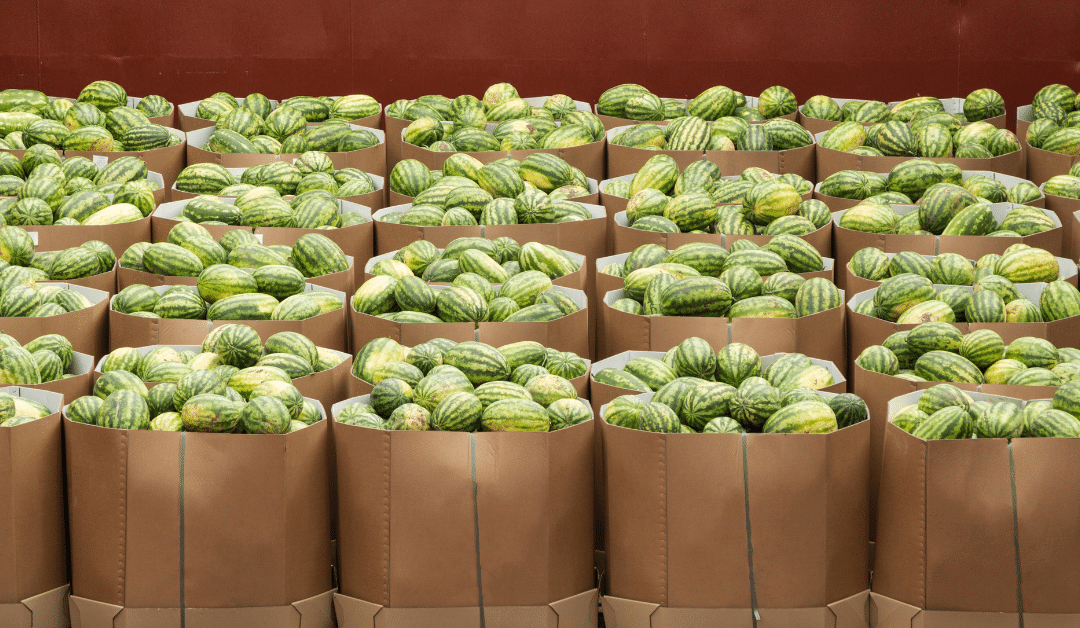
When customers walk into a grocery store or restaurant, they expect to see fresh, vibrant fruits and vegetables that reflect quality and care. What they may not realize is how much coordination and planning goes into maintaining strong produce selection. Behind every display of crisp lettuce, ripe tomatoes, and colorful peppers is a supply chain designed to preserve freshness and reduce waste from farm to shelf.
Produce selection is not determined solely at the retail level. It is influenced by harvesting schedules, transportation methods, warehousing practices, and timing across the distribution network. The strength of a logistics system directly affects the range, quality, and consistency of produce selection available to consumers.
The Connection Between Logistics and Produce Selection
Fresh produce is highly sensitive to time and temperature. Even small disruptions during transit can affect color, texture, and shelf life. This sensitivity means that logistics decisions directly impact produce selection.
When transportation runs smoothly, products arrive in better condition and remain sellable for longer periods. This gives retailers the confidence to stock a broader variety of items. In contrast, delays or improper handling can shrink available inventory and reduce overall produce selection.
Reliable logistics create consistency. Consistency allows distributors and retailers to plan more effectively, supporting a stronger and more dependable product range.
Why Timing Matters for Produce Selection
Timing is one of the most important factors in fresh food distribution. Produce often travels long distances from farms to distribution centers and then to retail locations. Every hour in transit influences shelf life.
Efficient routing and direct shipping methods help protect freshness. When shipments arrive on schedule, stores can replenish inventory quickly and maintain appealing displays. This steady flow helps stabilize produce selection throughout the year.
Inconsistent timing leads to gaps in availability. If shipments are late or delayed, retailers may reduce order quantities or avoid certain items altogether. Protecting delivery schedules protects produce selection.
The Role of Cold Chain Management
Temperature control is central to preserving product quality. Cold chain systems maintain consistent cooling from pickup through final delivery. Without stable temperatures, produce can deteriorate rapidly.
Cold chain integrity supports produce selection by extending shelf life and reducing spoilage. When products remain within the correct temperature range, they retain texture and flavor for longer periods.
Maintaining this environment requires coordination between drivers, warehouse teams, and monitoring systems. Effective cold chain practices strengthen produce selection by ensuring products reach their destination in peak condition.
Transportation Efficiency and Product Variety
Transportation efficiency does more than move freight from one location to another. It determines how much product remains viable upon arrival.
Direct routes, minimal handling, and organized loading processes reduce the risk of bruising and damage. When fewer products are lost to shrink, retailers can maintain a wider produce selection.
Efficient transportation also allows for quicker turnover, which supports freshness. Faster movement means products spend less time in transit and more time available for purchase.
Reducing Shrink to Protect Produce Selection
Shrink refers to the portion of inventory that cannot be sold due to spoilage or damage. In fresh food distribution, shrink is one of the biggest threats to profitability and variety.
Careful handling, proper packaging, and accurate scheduling reduce shrink significantly. When shrink is minimized, more products remain sellable and available.
Lower shrink levels directly contribute to stronger produce selection. Retailers are more willing to stock diverse items when they trust that quality will remain consistent from delivery through sale.
Warehouse Operations and Produce Selection
Warehouses serve as critical checkpoints in the supply chain. Temperature-controlled storage, organized palletization, and accurate inventory tracking all influence the quality of incoming and outgoing shipments.
Efficient warehouse management ensures that products move quickly and remain properly stored. Delays inside a facility can shorten shelf life and reduce available produce selection.
By supporting smooth transitions between transportation stages, warehousing operations preserve freshness and protect product variety.
Seasonal Changes and Produce Selection
Seasonal harvest cycles shape the availability of many fruits and vegetables. Logistics systems must adapt to these changes to maintain steady distribution.
During peak harvest periods, transportation capacity must scale to handle higher volumes. During slower seasons, routing adjustments keep shipments efficient.
Flexible logistics planning ensures that produce selection remains stable even as growing patterns shift throughout the year.
Regional Distribution and Market Reach
Expanding into new markets requires dependable transportation networks. Without reliable routes, retailers may hesitate to introduce certain products.
Strong regional and national distribution systems expand produce selection by connecting growers with broader customer bases. This reach allows consumers to enjoy items grown in distant regions without sacrificing freshness.
Reliable distribution builds confidence in the availability and consistency of produce selection across multiple markets.
Technology and Visibility in the Supply Chain
Modern tracking tools improve transparency across the supply chain. Real-time updates allow distributors and retailers to monitor shipment progress and adjust plans if necessary.
Data insights support better forecasting and inventory control. By analyzing transit times and performance trends, businesses can refine their strategies and protect produce selection.
Technology also strengthens communication between partners, reducing misunderstandings and delays that could impact product availability.
Supporting Retailers Through Consistency
Retailers depend on consistent deliveries to maintain appealing displays. Frequent, predictable shipments allow stores to keep shelves stocked without overordering.
Consistency improves planning accuracy and supports a balanced produce selection. When deliveries arrive on time and in good condition, retailers can focus on presentation and customer satisfaction.
Dependable logistics partnerships make this consistency possible.
Sustainability and Long-Term Supply Chain Strength
Reducing food waste supports both financial and environmental goals. Efficient transportation and careful handling decrease spoilage, which in turn preserves produce selection.
Sustainable practices, such as route optimization and temperature monitoring, improve overall efficiency. By minimizing unnecessary losses, supply chains operate more responsibly and effectively.
Long term stability in logistics operations strengthens relationships across the supply chain and ensures that produce selection remains reliable for consumers.
Coordinating Every Stage
Produce selection depends on more than growing conditions and retail merchandising. It relies on coordinated transportation, temperature control, and careful handling at every stage.
Reliable logistics systems protect freshness, reduce shrink, and expand product availability. When freight moves efficiently and consistently, retailers can offer a broader and more appealing produce selection to their customers.
Investing in dependable supply chain practices strengthens produce selection and supports long term success for growers, distributors, and retailers alike.
Ready to Strengthen Your Supply Chain?
We support food and produce distribution with temperature-controlled transportation and dependable logistics solutions designed to protect quality from origin to destination.
Stay up to date with the latest at CF Logistics LLC by connecting with us on Instagram, Facebook, and LinkedIn.