
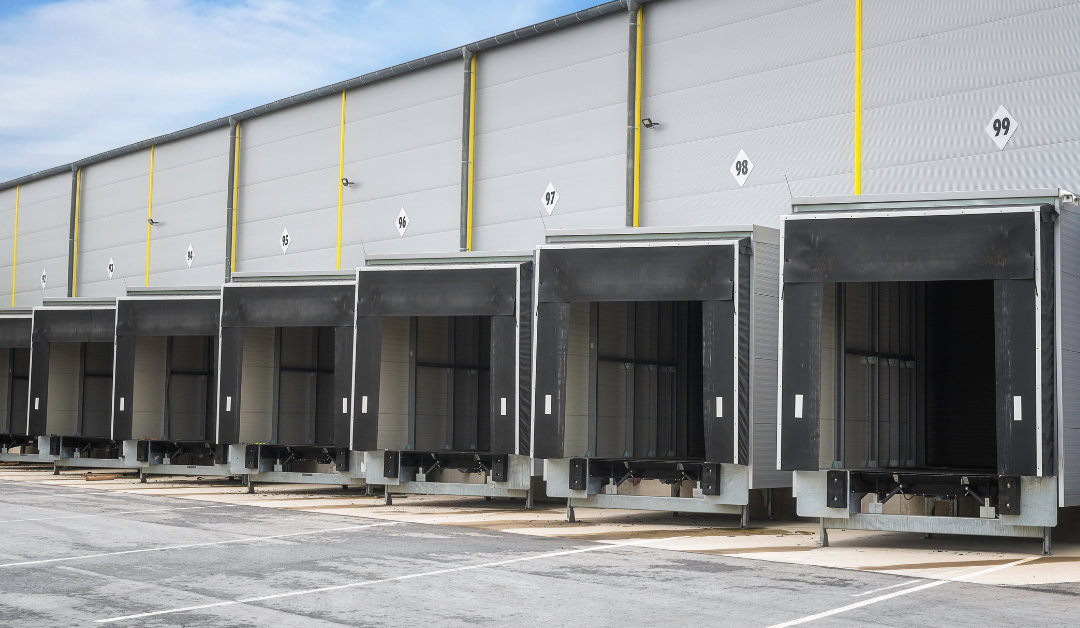
In today’s fast-paced world of supply chain management, having the right warehousing and distribution solutions isn’t just important; it’s essential for any business aiming for success. These solutions serve as the backbone of effective transportation, storage, and delivery of goods, having a direct influence on operational costs and customer satisfaction. At CF Logistics LLC, we recognize how critical customized warehousing and distribution options are for keeping your business on track. In this blog post, we’ll dive into various types of warehousing and distribution solutions, showcasing their features, benefits, and how they can seamlessly fit into your supply chain strategy.
Warehousing and Distribution Solutions
Warehousing and distribution solutions refer to the methods and facilities used for storing inventory and ensuring that products reach customers or retail locations on time. Efficient warehousing enables companies to manage their inventory effectively, while strong distribution solutions help streamline the movement of goods from warehouses to their final destinations. Choosing the right warehousing and distribution models can significantly cut costs, improve service levels, and offer the scalability needed to adapt to changing business demands.
7 Types of Warehousing Solutions
Warehouses come in several types, each tailored to address specific storage requirements and operational strategies. Here’s a look at the various types of warehousing that businesses typically use:
1. Private Warehouses
Private warehouses are managed by a single company exclusively for its storage needs. These facilities give businesses total control over the storage environment, security, and operational processes. They’re ideal for larger companies with consistent storage demands that want to tailor their solutions for maximum efficiency and privacy. Although private warehouses involve higher upfront investments and ongoing costs, they offer unparalleled control and can be customized for specific product handling requirements.
2. Public Warehouses
Public warehouses provide storage space that multiple businesses can rent. This type of warehousing is flexible and cost-effective, making it a great choice for small to medium-sized companies or those with seasonal inventory fluctuations. Public warehousing removes the need for significant initial investment and allows access to professional management, security, and infrastructure.
3. Distribution Centers
Distribution centers are specialized warehouses focused on the rapid processing and distribution of goods. Rather than concentrating on long-term storage, these facilities break down bulk shipments, sort, repackage, and ship products quickly to customers or retail stores. Often, distribution centers utilize cross-docking strategies, where incoming shipments are moved directly to outbound transportation, reducing storage time and speeding up delivery.
4. Smart Warehouses
The integration of technology into warehousing has given rise to smart warehouses. These advanced facilities leverage automation, IoT devices, sensors, and data analytics to optimize warehouse operations. Smart warehousing boosts inventory accuracy, safety, and sustainability, ensuring a responsive and adaptable approach to changing business needs.
5. Cold Storage Warehouses
Cold storage warehouses cater to products requiring temperature-controlled environments, such as fresh produce, pharmaceuticals, and frozen goods. They maintain precise temperature and humidity to keep product quality intact over time. These warehouses utilize specialized refrigeration systems and handling equipment to meet stringent requirements.
6. On-Demand Warehousing
On-demand warehousing is gaining traction due to its flexibility. These shared or flexible warehouses allow businesses to rent space as necessary, without the burden of long-term contracts. This is perfect for companies facing fluctuating inventory levels or seasonal spikes, offering scalability and extended geographic reach through third-party logistics providers.
7. Hazardous Material (Hazmat) Warehouses
Hazmat warehouses are specialized facilities that store dangerous materials, adhering to strict safety and regulatory guidelines. These warehouses possess advanced containment systems, fire suppression measures, and ventilation designed to minimize risks to both people and the environment.
Types of Distribution Solutions
In addition to warehousing, distribution solutions are vital for efficiently transporting goods from storage to customers. Here are some common distribution models and strategies in modern logistics:
Cross-Docking
Cross-docking is a distribution method where incoming goods are quickly sorted and transferred to outbound transportation without lengthy storage. This approach reduces holding costs, speeds up delivery, and is especially beneficial for high-volume, fast-moving, or perishable items.
Consolidated Shipping
Consolidated shipping combines shipments from various suppliers or warehouses into a single load to achieve cost savings and efficiency. This strategy streamlines supply chains and boosts cost-effectiveness by optimizing freight usage.
Integrated Distribution Centers
Many businesses create integrated distribution centers that meld warehousing and distribution functions, bolstered by advanced inventory management systems and real-time tracking. This integration fosters end-to-end visibility and streamlined operations, enhancing overall supply chain agility.
Third-Party Logistics (3PL)
Partnering with 3PL providers allows businesses to outsource their distribution functions, gaining access to expertise, technology, and broad transportation networks. Working with partners like CF Logistics can facilitate more cost-efficient distribution while letting companies focus on their core strengths.
5 Benefits of Optimized Warehousing and Distribution Solutions
Implementing the right warehousing and distribution strategies helps businesses:
- Lower operational and transportation costs through better inventory management and consolidated shipments.
- Speed up delivery times by using efficient cross-docking and smart warehousing technologies.
- Improve customer satisfaction by ensuring products are available and delivered on time.
- Scale operations easily with on-demand warehousing and 3PL partnerships.
- Maintain product quality and compliance, especially vital in cold storage and hazmat warehousing.
Warehousing and Distribution Solutions to Fit Your Company
Selecting the right warehousing and distribution solutions is vital for creating a resilient, responsive, and cost-effective supply chain. Whether it’s leveraging a private warehouse for exclusive control, using a public warehouse for added flexibility, or adopting smart technologies for enhanced efficiency, understanding your options empowers businesses to overcome unique logistics challenges. Distribution strategies like cross-docking and consolidation further enhance your ability to deliver products swiftly and at lower costs.
At CF Logistics LLC, we offer a wide range of warehousing and distribution solutions tailored to your business’s needs, blending industry expertise, cutting-edge technology, and a nationwide network to keep you moving forward. Partnering with us means you’re gaining a proactive logistics ally dedicated to your growth and operational success.
If you’re looking to optimize your supply chain with the best warehousing and distribution solutions, it all starts here—with CF Logistics, where innovative logistics solutions pave the way for your success.
Stay up to date with the latest at CF Logistics LLC by connecting with us on Instagram, Facebook, and LinkedIn.