
Shipping decisions play a major role in the efficiency, cost, and reliability of any supply chain. One of the most common transportation methods used in freight logistics is full truck load shipping. For businesses moving larger volumes of goods or time-sensitive products, this method often provides meaningful advantages.
Understanding what full truck load, or FTL, shipping involves and when it makes sense can help companies choose the right strategy for their distribution needs. Whether transporting produce, refrigerated items, or packaged goods, selecting the proper shipping model supports stronger service performance and better overall results.
What Is Full Truck Load Shipping?
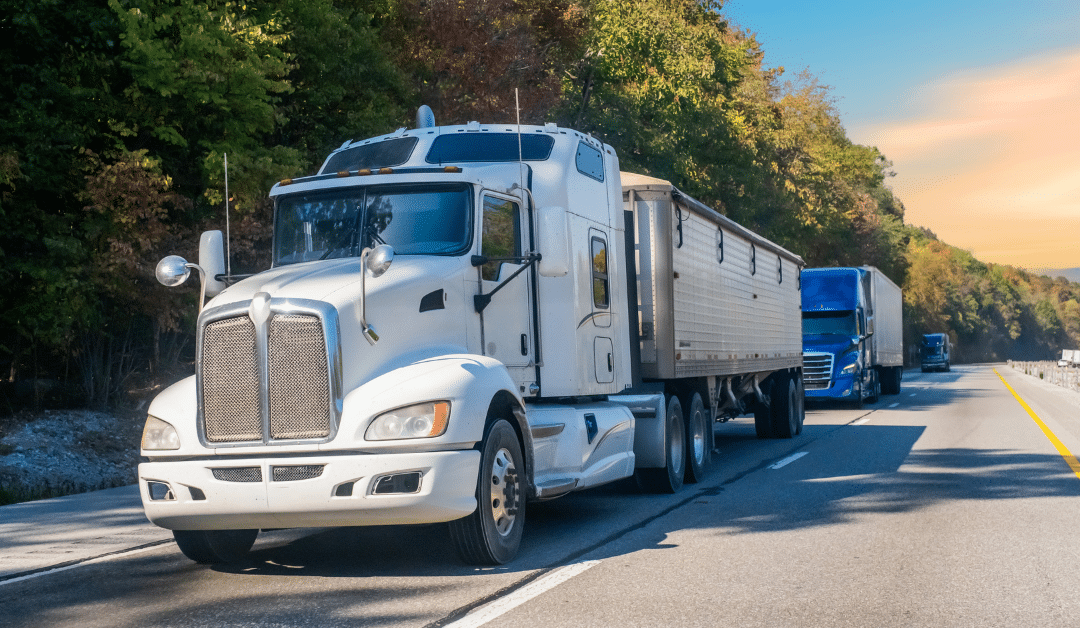
Full truck load shipping refers to a shipment that uses an entire trailer for a single customer’s freight. Instead of sharing space with other shippers, one company occupies the full capacity of the truck from pickup to delivery.
With FTL service, the freight moves directly from origin to destination without intermediate stops for additional cargo. This direct routing reduces handling, shortens transit time, and minimizes the risk of delays.
This kind of shipping is typically used when a shipment is large enough to fill most or all of a trailer, or when speed and minimal handling are priorities.
How FTL Differs From Shared Shipping
In contrast to less than truckload shipping, where multiple shipments are consolidated in one trailer, full truck load shipping dedicates the entire vehicle to one shipment. This distinction affects handling, scheduling, and transit time.
Because the freight does not transfer between terminals or mix with other shipments, FTL reduces the number of touchpoints. Fewer touchpoints often mean lower risk of damage and improved predictability.
This direct movement is especially valuable for high-volume shipments or goods that require stable handling conditions.
When Shipment Size Makes Full Truck Load the Right Choice
The most straightforward reason to choose full truck load shipping is volume. When freight occupies most of a trailer, sharing space no longer offers cost benefits.
Large pallet counts, heavy loads, or bulk shipments typically justify the use of full truck load. Instead of dividing freight into multiple shared shipments, companies can move everything at once, improving coordination and efficiency.
This approach simplifies scheduling and reduces complexity across the supply chain.
Speed and Transit Time Considerations
Time-sensitive shipments often benefit from full truck load service. Because the truck moves directly from pickup to delivery, transit times are generally shorter compared to shared shipping methods.
There are no terminal stops for sorting or consolidating freight. This streamlined process supports faster delivery windows and more predictable arrival times.
For industries such as food distribution or temperature-sensitive freight, the reduced transit time provided by full truck load shipping helps preserve product quality.
Minimizing Handling and Reducing Risk
Each time freight is transferred between vehicles or facilities, the risk of damage increases. With full truck load shipping, handling is minimized because the shipment remains on the same trailer throughout transit.
Reduced handling lowers the likelihood of pallet shifting, packaging damage, or misplaced freight. This is particularly important for fragile or perishable goods.
Businesses that prioritize freight integrity often rely on FTL shipping to maintain better control over how products are transported.
Cost Efficiency at Higher Volumes
While shared shipping may appear less expensive for small shipments, full truck load shipping can become more cost-effective as volume increases.
When freight fills most of a trailer, the per-unit cost of FTL often becomes competitive or even advantageous. Companies avoid terminal fees, additional handling charges, and extended transit time costs.
Evaluating total landed cost rather than base rate alone helps determine when full truck load shipping makes financial sense.
Supporting Temperature Controlled Freight
For refrigerated and temperature-sensitive freight, full truck load shipping offers added stability. The controlled environment remains dedicated to one shipment, reducing temperature fluctuations caused by door openings or partial unloading.
Maintaining consistent conditions is critical for products such as produce, dairy, and frozen goods. By minimizing interruptions, full truck load shipping supports stronger cold chain performance.
This reliability makes it a common choice for high-value or perishable shipments.
Ideal Scenarios for FTL Shipping
Full truck load shipping is particularly effective in the following situations:
- High pallet counts or bulk shipments
- Time-sensitive deliveries
- Temperature-controlled freight
- Fragile or high-value products
- Long-distance routes
- Direct warehouse-to-warehouse transport
In these scenarios, dedicating a trailer improves control and reduces complexity.
When It May Not Be Necessary
Although full truck load shipping offers many benefits, it is not always required. Smaller shipments that do not fill significant trailer space may benefit from shared options.
Businesses shipping limited quantities on frequent schedules may find other solutions more economical. Evaluating shipment size, urgency, and product type helps determine the most appropriate method.
Understanding when not to use full truck load shipping is just as important as recognizing when it is the best choice.
Planning for Growth With Full Truck Load
As businesses expand, shipment volumes often increase. What begins as partial loads may eventually grow into full trailer quantities.
Transitioning to full truck load shipping can simplify operations and support larger distribution networks. Dedicated capacity allows companies to plan more confidently and serve additional markets.
Growth often brings greater predictability in shipping patterns, making full truck load shipping a logical next step.
Building Stronger Supply Chain Reliability
Reliability is one of the most significant advantages of full truck load shipping. Fewer stops, fewer transfers, and dedicated equipment contribute to consistent performance.
For companies managing tight delivery windows, this predictability is essential. Consistent transit times improve coordination between warehouses, retailers, and distribution centers.
By reducing variability, FTL shipping supports stronger supply chain planning and improved customer satisfaction.
Final Thoughts
Choosing the right shipping method depends on understanding freight volume, timing requirements, and product sensitivity. Full truck load shipping provides a direct, efficient, and controlled solution for larger or time-sensitive shipments.
With fewer handling points and faster transit, full truck load shipping helps protect freight integrity and improve reliability. For businesses moving significant quantities or requiring stable transportation conditions, it often represents a practical and effective option.
Careful evaluation of shipment size, cost, and urgency will determine when full truck load shipping makes sense within your broader logistics strategy.
Ready to Optimize Your Freight Strategy?
We support nationwide transportation solutions designed to match your shipment volume and timeline requirements.
Stay up to date with the latest at CF Logistics LLC by connecting with us on Instagram, Facebook, and LinkedIn.