
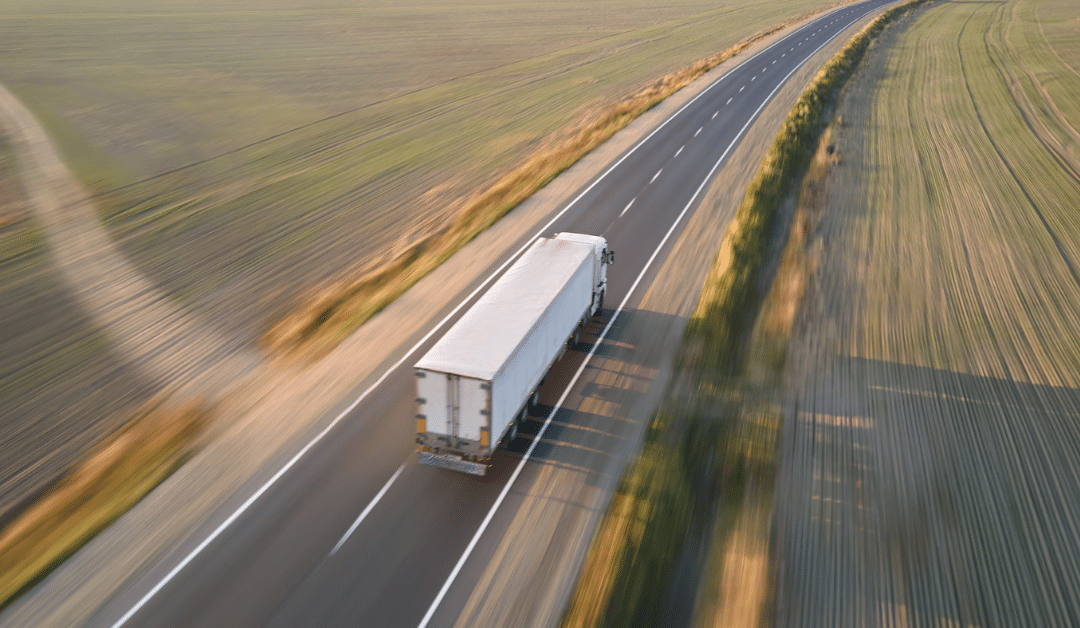
Produce distribution depends on speed, consistency, and careful handling throughout the supply chain. Fresh fruits and vegetables are highly sensitive to temperature fluctuations, excessive handling, and delivery delays. Because of this, transportation strategy plays a major role in maintaining product quality from origin to destination.
One of the most effective shipping methods for fresh produce is FTL transportation. By dedicating an entire trailer to a single shipment, distributors gain more control over transit conditions, scheduling, and freight handling. For produce distribution, these advantages can significantly improve freshness, reduce shrink, and support more reliable delivery performance.
Understanding the benefits of FTL shipping helps businesses determine when this transportation method is the right fit for their logistics strategy. Below are seven key ways FTL transportation supports efficient produce distribution and stronger cold chain performance.
1. Faster Transit Times
Speed is one of the biggest advantages of FTL shipping. Because the trailer is dedicated to one customer’s freight, shipments typically move directly from pickup to delivery without intermediate stops or terminal transfers.
For produce distribution, shorter transit times are critical. Fresh products begin to lose quality as soon as they are harvested, so minimizing travel time helps preserve freshness and extend shelf life.
Direct routing also improves delivery predictability. Retailers and distribution centers can better plan receiving schedules when shipments arrive consistently and on time.
By reducing delays and eliminating unnecessary stops, FTL transportation supports faster movement throughout the supply chain.
2. Reduced Handling Protects Product Quality
Fresh produce is vulnerable to bruising, compression, and physical damage during transportation. Every additional touchpoint increases the risk of shrink and product loss.
One major benefit of FTL shipping is reduced freight handling. Since the trailer carries only one shipment, products remain in place from origin to destination without repeated loading and unloading at terminals.
This lower level of handling protects delicate products and helps preserve visual quality. For produce distributors, fewer damaged products mean stronger inventory performance and reduced waste.
Minimizing handling is especially important for highly sensitive produce items that require stable transportation conditions.
3. Improved Temperature Control
Cold chain consistency is essential in produce logistics. Temperature fluctuations can quickly shorten shelf life and compromise product quality.
FTL transportation supports stronger temperature control because the trailer environment remains dedicated to a single shipment. Unlike shared shipping methods, trailers are not repeatedly opened for additional deliveries or freight transfers.
This stability helps maintain consistent cooling conditions throughout transit. Produce remains within the appropriate temperature range for longer periods, which protects freshness and reduces spoilage risk.
For refrigerated freight operations, FTL shipping provides a more controlled transportation environment that supports stronger cold chain integrity.
4. Greater Scheduling Flexibility
Produce distribution often requires precise delivery timing. Harvest schedules, warehouse operations, and retailer receiving windows must all align efficiently.
FTL shipping offers more flexibility because shipments are scheduled around one customer’s timeline rather than consolidated with multiple loads. This allows distributors to coordinate transportation more closely with operational needs.
Greater scheduling flexibility also helps businesses respond more effectively to changing demand patterns. Shipments can move quickly when inventory levels shift or when seasonal demand increases.
This adaptability supports smoother operations across the supply chain.
5. Lower Risk of Delays
Shared freight networks often involve multiple stops, terminal transfers, and route changes. These additional steps create more opportunities for delays.
With FTL transportation, shipments move directly toward their destination with fewer interruptions. Reduced complexity helps improve transit reliability and supports more accurate delivery windows.
For produce distribution, avoiding delays is essential. Even short disruptions can affect shelf life and inventory quality. Consistent transportation performance helps retailers maintain fresher inventory and reduces the likelihood of spoilage.
By simplifying the shipping process, FTL shipping lowers the risk of unexpected disruptions.
6. Better Freight Security and Visibility
Freight visibility and shipment security are important across all areas of logistics, but especially for high-value or temperature-sensitive products.
Because FTL shipments remain sealed and dedicated to a single customer, there is less risk of misplaced freight or cross-contamination. Products stay together throughout the trip, making inventory management easier and more reliable.
Many FTL operations also use real-time tracking technology that provides visibility into shipment location and status. This allows distributors to monitor progress and coordinate receiving schedules more effectively.
Improved visibility supports better communication across the supply chain and helps maintain delivery accuracy.
7. Stronger Support for High-Volume Produce Distribution
As produce distributors grow, shipment volumes often increase. Moving larger quantities efficiently requires transportation methods that can support consistent high-capacity movement.
FTL shipping is ideal for high-volume produce distribution because it allows businesses to move larger shipments in a single trip. This simplifies logistics coordination and reduces the need for multiple smaller shipments.
High-volume transportation also supports better operational efficiency. Warehouses can plan inventory flow more accurately, and retailers can receive larger replenishment orders with fewer scheduling complications.
For growing distribution networks, FTL transportation provides scalable support that helps maintain consistency as demand expands.
Why FTL Shipping Works Well for Produce Distribution
Produce logistics requires a balance of speed, stability, and careful handling. FTL transportation supports all three by creating a direct and controlled shipping environment.
Fresh produce benefits from:
- Reduced transit time
- Consistent refrigeration
- Fewer handling points
- Greater scheduling flexibility
- Improved freight protection
These advantages help distributors maintain higher product quality while reducing shrink and transportation-related issues.
As supply chains become more complex and customer expectations continue to rise, reliable transportation becomes even more important. FTL shipping helps create the consistency needed to support long-term produce distribution success.
Supporting Cold Chain Efficiency
Cold chain logistics depends on maintaining proper conditions at every stage of transportation and storage. Even brief interruptions in refrigeration can impact product integrity.
FTL shipping strengthens cold chain performance by limiting disruptions during transit. Since products remain on one trailer for the duration of the shipment, temperature conditions remain more stable.
This consistency supports better quality outcomes and reduces the likelihood of rejected loads or spoilage-related losses.
Strong cold chain management is essential for protecting produce throughout the distribution process, and FTL transportation plays an important role in maintaining those standards.
Long-Term Benefits of FTL Transportation
Over time, reliable transportation methods contribute to stronger supply chain performance. Consistent delivery schedules, reduced shrink, and better inventory quality all support operational efficiency.
FTL shipping helps businesses create more predictable logistics systems. This predictability improves planning, strengthens retailer relationships, and supports long-term growth.
By reducing many of the risks associated with produce transportation, FTL distribution helps businesses operate more efficiently while maintaining high standards for freshness and reliability.
Final Thoughts
Produce distribution requires transportation methods that prioritize speed, stability, and product protection. FTL shipping supports these goals by providing direct transit, reduced handling, and stronger temperature control throughout the supply chain.
From minimizing delays to improving cold chain consistency, the benefits of FTL transportation help distributors maintain fresher inventory and reduce product loss. As produce logistics continues to evolve, dedicated transportation solutions will remain an important part of efficient distribution strategies.
Ready to Strengthen Your Produce Distribution Network?
We support temperature-controlled transportation and logistics solutions designed to protect product quality and improve supply chain efficiency from pickup through final delivery.
Stay up to date with the latest at CF Logistics LLC by connecting with us on Instagram, Facebook, and LinkedIn.