
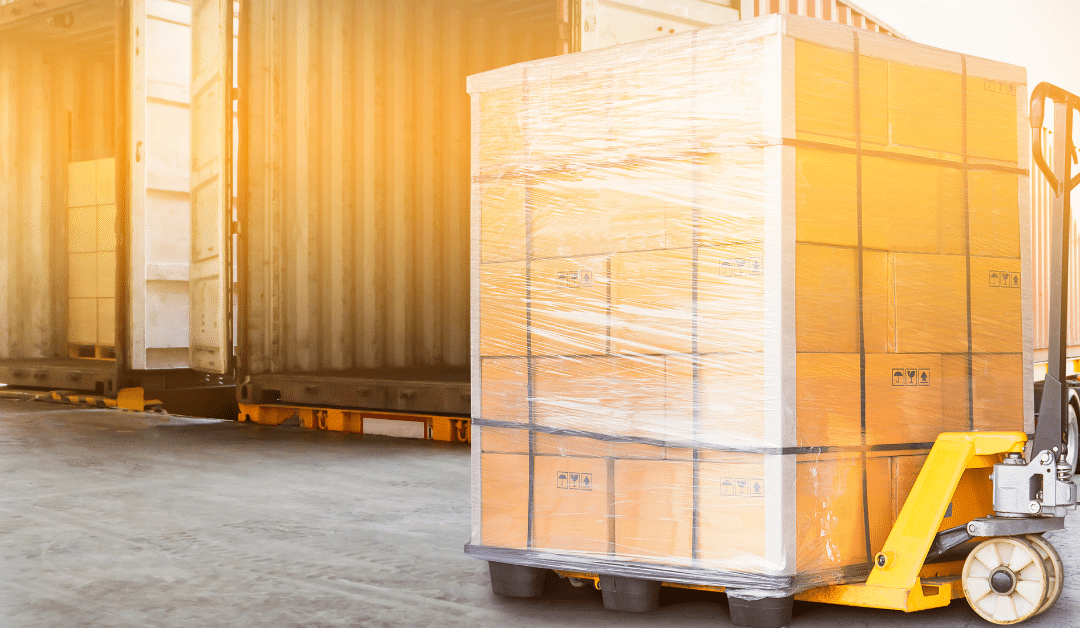
Moving freight safely is one of the biggest priorities in today’s logistics industry. Whether businesses are shipping fresh produce, refrigerated foods, packaged goods, or other high-value products, minimizing unnecessary handling is essential for maintaining quality and reducing losses. Every time freight is loaded, unloaded, or transferred between trailers, the risk of product damage increases. Choosing the right transportation method can make a significant difference in how shipments arrive at their destination.
One of the most effective ways to reduce handling throughout the shipping process is by using FTL transportation. By dedicating an entire trailer to a single shipment, businesses can minimize transfers, improve transit efficiency, and better protect products from avoidable damage. This approach is particularly valuable for temperature-sensitive freight, fragile products, and shipments that require dependable delivery schedules.
Understanding how dedicated truckload shipping works helps businesses make informed logistics decisions while protecting both their inventory and their reputation.
Why Freight Handling Matters
Freight handling refers to every time products are physically moved throughout the transportation process. This includes loading at the shipper’s location, unloading at terminals, transferring between trailers, sorting, staging, and final delivery.
Each additional touchpoint introduces opportunities for problems to occur. Products may be bumped by forklifts, stacked improperly, exposed to changing temperatures, or shifted during repeated loading activities. Even when freight is packaged correctly, excessive handling increases the likelihood of damaged boxes, crushed pallets, broken seals, and compromised product quality.
Reducing the number of times freight is handled creates a safer transportation process while improving overall supply chain reliability.
Understanding Dedicated Truckload Shipping
With FTL shipping, one customer’s freight occupies the entire trailer from pickup through delivery. Because the shipment remains together throughout transportation, there is significantly less need for intermediate stops, cross-docking, or trailer transfers.
Unlike shared freight shipments that may require multiple loading and unloading events, dedicated truckload transportation allows products to remain securely positioned until they reach their final destination.
This streamlined process reduces opportunities for accidental damage while supporting more efficient transportation planning.
Fewer Loading and Unloading Events
One of the biggest advantages of FTL transportation is the reduced number of loading and unloading activities.
Every loading event requires forklifts, pallet jacks, warehouse personnel, and equipment working around valuable freight. While logistics professionals follow established safety procedures, every movement carries some level of risk.
Repeated handling can result in:
- Torn packaging
- Crushed cartons
- Shifted pallets
- Damaged labels
- Broken products
- Packaging contamination
By minimizing these transfers, dedicated truckload shipping helps preserve product condition throughout the journey.
Better Protection for Palletized Freight
Many businesses rely on palletized shipments to simplify loading and unloading while protecting products during transportation. However, pallets can still become damaged if they are repeatedly moved between facilities.
When freight remains on the same trailer throughout transit, pallets experience fewer opportunities to shift or sustain impacts from handling equipment.
This consistency helps maintain load stability from origin through delivery. For companies shipping high-value inventory, protecting pallet integrity often translates into fewer rejected shipments and improved customer satisfaction.
Reduced Risk of Product Shifting
Every time freight is repositioned inside a trailer, products have the potential to shift. Improper weight distribution, sudden trailer movements, or repeated transfers may cause pallets to lean, boxes to collapse, or products to move beyond their protective packaging.
FTL minimizes this risk by allowing loads to remain secured for the duration of transportation.
Professional load securement practices combined with limited handling help maintain shipment stability throughout the trip.
Improved Protection for Temperature-Sensitive Products
Cold chain logistics depends on maintaining consistent environmental conditions throughout transportation.
Every time refrigerated freight is unloaded or transferred, products may be briefly exposed to warmer temperatures. Although these exposure periods may seem small individually, repeated interruptions can gradually affect product quality.
Using FTL helps reduce unnecessary trailer openings and transfer events, allowing refrigerated products to remain within carefully controlled environments.
For produce distributors, grocery suppliers, dairy companies, and food manufacturers, this consistency plays an important role in preserving freshness.
Faster Transit Means Less Risk
Transit time also influences the likelihood of product damage. The longer freight spends moving through multiple terminals or transfer facilities, the greater the opportunity for delays, handling errors, and environmental exposure.
Dedicated truckload transportation often follows a more direct route between pickup and delivery.
Fewer intermediate stops not only improve efficiency but also reduce the number of situations where freight could be damaged. Businesses benefit from shorter delivery windows while customers receive products in better condition, which is where FTL shipping comes in.
Supporting Food Safety Throughout Distribution
Food safety depends on protecting products throughout every stage of transportation.
Fresh fruits, vegetables, dairy products, frozen foods, beverages, and many other refrigerated items require careful handling to preserve quality and comply with food safety expectations.
Reducing unnecessary freight handling supports these goals by limiting opportunities for contamination, packaging damage, or temperature fluctuations.
Businesses that prioritize careful transportation practices help protect both their products and their customers.
Lower Claims and Reduced Costs
Freight damage affects much more than the shipment itself.
When products arrive damaged, businesses may experience:
- Customer complaints
- Product replacements
- Freight claims
- Lost inventory
- Delivery delays
- Administrative costs
These expenses add up quickly, especially for companies moving large shipment volumes throughout the year.
Choosing transportation methods that reduce handling can help lower the likelihood of costly claims while improving long-term operational efficiency.
Better Customer Satisfaction
Customers expect shipments to arrive on time and in excellent condition.
Damaged packaging creates negative first impressions even when the products themselves remain usable. For retailers and distributors, appearance matters just as much as product integrity.
Dedicated transportation helps businesses consistently deliver shipments that meet customer expectations.
Reliable service builds confidence while encouraging stronger long-term business relationships.
Ideal for High-Value Freight
Some shipments require additional protection because of their value or sensitivity.
Medical supplies, specialty foods, premium produce, beverages, electronics, and fragile manufactured goods all benefit from reduced handling throughout transportation.
Because FTL allows these shipments to remain together inside one trailer, businesses gain greater confidence that products will arrive in the same condition in which they were loaded.
High-value freight often justifies dedicated transportation because preventing damage is significantly less expensive than replacing inventory.
Supporting Produce and Refrigerated Freight
Fresh produce and refrigerated foods are among the most sensitive products transported throughout the supply chain. Even minor impacts, crushed packaging, or temperature fluctuations can reduce shelf life and affect overall product quality.
Using FTL allows refrigerated shipments to remain inside the same trailer from pickup to delivery, helping preserve both product condition and temperature consistency. This is especially valuable for growers, food manufacturers, grocery distributors, and wholesalers that depend on reliable cold chain transportation.
Reducing handling also helps maintain attractive product presentation. Fruits and vegetables that arrive free from bruising or damaged packaging are more likely to meet retailer expectations and provide consumers with a better purchasing experience.
Improving Warehouse Efficiency
Reducing freight handling benefits warehouses just as much as transportation providers.
When shipments move directly between shipper and receiver, warehouse personnel spend less time unloading, sorting, restaging, and reloading freight. This streamlined process allows facilities to operate more efficiently while reducing congestion during busy shipping periods.
Warehouse teams can focus on preparing outgoing shipments instead of repeatedly moving the same freight through multiple handling stages. This improves productivity while reducing opportunities for human error.
Efficient warehouse operations also contribute to faster turnaround times, allowing transportation providers to keep shipments moving according to schedule.
Consistency Throughout the Shipping Process
Consistency plays a major role in successful logistics operations. Customers value predictable delivery schedules, dependable communication, and products that consistently arrive in excellent condition.
Dedicated truckload shipping supports this consistency by creating a simpler transportation process with fewer variables. When shipments remain together throughout transit, there are fewer opportunities for delays caused by transfer facilities or scheduling conflicts.
Using FTL also allows businesses to better coordinate pickup and delivery appointments because the shipment follows a more direct transportation route.
Greater consistency strengthens customer confidence while supporting long-term business relationships.
Protecting Brand Reputation
Every shipment reflects the company that sends it.
Customers rarely separate transportation performance from the supplier providing the products. If freight arrives damaged, late, or in poor condition, buyers often associate those issues with the business rather than the shipping process itself.
Choosing transportation methods that reduce unnecessary handling helps businesses protect their reputation by delivering products that meet customer expectations.
A strong reputation for dependable deliveries often leads to repeat business, stronger partnerships, and increased customer loyalty.
Better Visibility Across the Supply Chain
Modern logistics depends on visibility and communication.
Dedicated shipments are often easier to monitor because they remain on a single transportation route without multiple transfers between facilities. This provides businesses with greater confidence when tracking shipment progress and planning inventory.
Improved visibility allows customer service teams to communicate more accurate delivery information while helping warehouse managers prepare receiving schedules.
As supply chains become increasingly complex, transportation solutions that simplify shipment tracking continue growing in importance.
Supporting Seasonal Shipping Demands
Many industries experience seasonal increases in shipping volume throughout the year. Agricultural harvests, holiday inventory, promotional events, and food production cycles all create periods of heightened transportation demand.
During these busy seasons, minimizing freight handling becomes even more valuable.
Dedicated truckload transportation helps reduce bottlenecks by moving shipments directly between locations rather than through multiple transfer facilities. This supports faster movement while helping businesses maintain service levels during periods of increased demand.
Companies that prepare for seasonal shipping with dependable logistics strategies are better positioned to meet customer expectations.
Choosing the Right Logistics Partner
Transportation equipment alone does not guarantee successful deliveries. Businesses should work with logistics providers that understand the unique requirements of their products and prioritize careful handling throughout the shipping process.
When evaluating transportation partners, consider factors such as:
- Experience with refrigerated and food-grade freight
- Reliable communication throughout transportation
- Strong safety practices
- Modern equipment and well-maintained trailers
- On-time delivery performance
- Commitment to protecting product quality
Selecting an experienced logistics provider helps businesses reduce transportation risks while supporting long-term operational success.
Looking Ahead
Supply chains continue evolving as consumer expectations increase and businesses seek greater efficiency. Product quality, delivery reliability, and operational visibility remain top priorities across nearly every industry.
Transportation methods that reduce unnecessary freight handling will continue playing an important role in achieving these goals.
As technology improves and logistics networks expand, businesses will increasingly rely on dedicated transportation solutions to move products safely, efficiently, and consistently. Reducing handling is not simply about preventing damage. It is about creating a stronger, more reliable supply chain from origin to final delivery.
Protecting Freight
Protecting freight begins with reducing unnecessary handling. Every additional transfer creates another opportunity for product damage, delays, and higher transportation costs. Dedicated truckload shipping offers businesses a practical solution by keeping shipments together throughout the transportation process while minimizing unnecessary movement.
For companies moving refrigerated products, fresh produce, packaged foods, or high-value freight, FTL provides greater protection, improved efficiency, and stronger delivery performance. By reducing handling, businesses can lower freight claims, preserve product quality, improve customer satisfaction, and strengthen their overall supply chain.
As logistics continues to evolve, transportation strategies focused on simplicity and product protection will remain essential for businesses looking to deliver consistent results.
Ready to improve your refrigerated transportation and logistics operations? We provide dependable transportation solutions designed to protect your products while keeping your supply chain moving efficiently.
Stay up to date with the latest at CF Logistics LLC by connecting with us on Instagram, Facebook, and LinkedIn.