
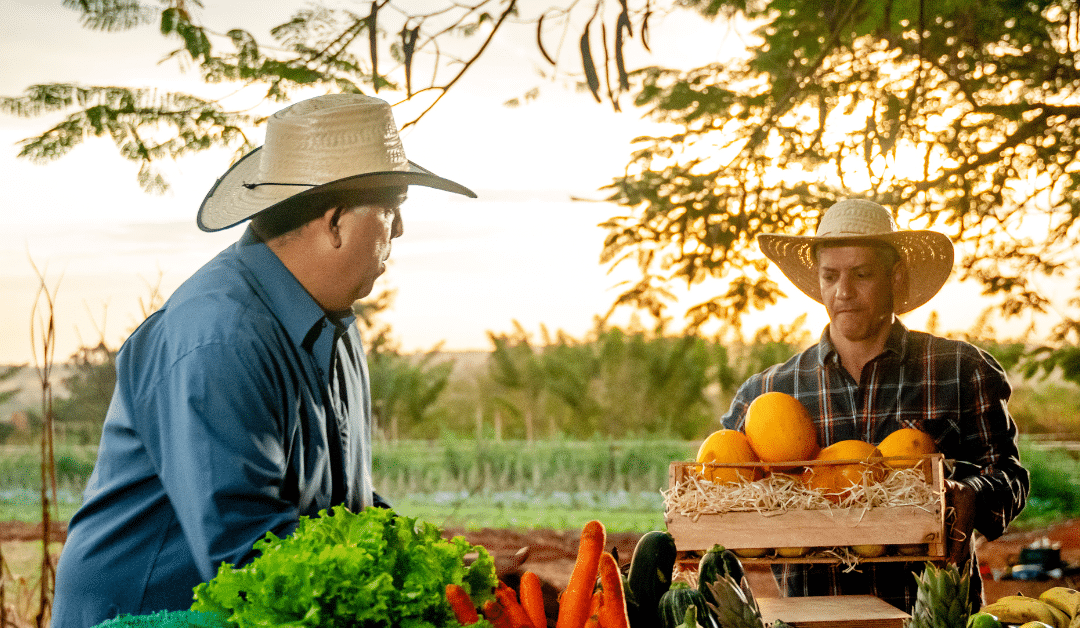
Fresh food reaches grocery store shelves every day, but most shoppers never see the complex network that makes it possible. Behind every shipment is a carefully coordinated logistics process that begins on the farm and continues through packing facilities, refrigerated transportation, distribution centers, and retail stores. Every step must be completed quickly and efficiently to maintain freshness, reduce waste, and ensure customers receive high-quality products.
Unlike many other types of freight, produce requires specialized handling from the moment it is harvested. Changes in temperature, excessive handling, transportation delays, or improper storage can all affect quality and shorten shelf life. Because of this, experienced logistics providers play a critical role in protecting products while moving them through the supply chain.
Understanding how produce travels from farm to store helps businesses appreciate the importance of dependable refrigerated transportation, careful planning, and an uninterrupted cold chain.
Harvesting Starts the Supply Chain
Every successful shipment begins with careful harvesting. Farmers monitor weather conditions, crop maturity, and customer demand to determine the best time to harvest. Picking crops too early may affect flavor and texture, while harvesting too late can reduce shelf life before transportation even begins.
Once harvesting starts, speed becomes extremely important. Fresh produce naturally begins changing immediately after it is picked. Moisture loss, respiration, and natural aging continue throughout transportation, making prompt handling essential for maintaining quality.
By coordinating harvest schedules with transportation providers, growers can reduce delays and move shipments into refrigerated environments much faster.
Cooling Fresh Products Immediately
One of the first priorities after harvesting is removing field heat. Freshly harvested fruits and vegetables often retain warmth from outdoor temperatures, which can speed deterioration if not addressed quickly.
Depending on the crop, growers may use hydro cooling, forced-air cooling, vacuum cooling, or refrigerated storage to rapidly lower temperatures. These cooling methods help preserve freshness while preparing produce for transportation.
Beginning the cold chain immediately after harvest creates the best opportunity for maintaining product quality throughout the remainder of the journey.
Sorting, Packing, and Inspection
Before trucks arrive, workers carefully sort products according to size, appearance, and quality standards. Damaged or unsuitable items are removed while acceptable products move into the packing process.
Packaging serves several important purposes. It protects produce from physical damage, allows proper airflow, and helps maintain stable pallet configurations during transportation.
Inspection teams also verify that shipments meet customer requirements before loading begins. Careful preparation reduces transportation problems while improving efficiency once products enter the logistics network.
Refrigerated Transportation Protects Freshness
After packaging is complete, refrigerated trailers begin moving shipments toward warehouses, distribution centers, or grocery retailers.
Temperature control remains one of the most important aspects of transporting produce successfully. Modern refrigerated trailers use advanced cooling equipment that continuously maintains the desired temperature throughout transportation.
Drivers and dispatch teams monitor schedules closely because unnecessary delays can reduce freshness. Careful route planning also minimizes travel time while helping preserve product quality until final delivery.
Reliable refrigerated transportation forms one of the most important links within today’s agricultural supply chain.
Why Timing Is So Important
Fresh food has a limited shelf life. Unlike manufactured goods that can remain in warehouses for extended periods, agricultural products must continue moving efficiently after harvest.
Every unnecessary delay reduces the amount of time retailers have available to sell produce before quality begins declining.
Transportation providers coordinate pickup appointments, warehouse schedules, and delivery windows to keep shipments moving as efficiently as possible.
Fast, dependable transportation benefits growers, retailers, and consumers by helping products arrive in excellent condition.
Distribution Centers Keep Freight Moving
Many shipments travel through refrigerated distribution centers before reaching grocery stores.
These facilities temporarily store inventory while preparing outbound shipments for individual retailers. Warehouse teams carefully rotate inventory using first-in, first-out practices to reduce waste and preserve freshness.
Distribution centers also consolidate multiple shipments, allowing retailers to receive a wider variety of produce through fewer deliveries.
Efficient warehouse operations reduce congestion while supporting smoother transportation throughout the supply chain.
Maintaining an Uninterrupted Cold Chain
The cold chain refers to maintaining proper temperatures from harvest until products reach consumers.
Every participant has an important responsibility. Growers begin cooling immediately after harvest. Transportation providers maintain refrigerated conditions while moving freight. Warehouses continue storing products under controlled temperatures before outbound deliveries begin.
If refrigerated conditions are interrupted for extended periods, produce quality may decline rapidly.
Maintaining a continuous cold chain protects freshness while supporting food safety and customer satisfaction.
Careful Freight Handling Reduces Damage
Temperature control alone is not enough to preserve quality.
Every time shipments are loaded, unloaded, transferred, or restacked, opportunities for damage increase. Bruised fruit, crushed packaging, broken pallets, and shifting freight can all reduce product value.
Experienced logistics providers minimize unnecessary handling whenever possible. Keeping produce on secure pallets and limiting transfers helps products arrive at their destination in better condition.
Reducing handling also lowers waste while improving customer satisfaction.
Technology Improves Modern Logistics
Technology has transformed nearly every aspect of refrigerated transportation.
GPS tracking allows logistics teams to monitor shipments throughout transit. Temperature monitoring systems provide continuous visibility into trailer conditions. Warehouse management software improves inventory accuracy while helping facilities coordinate incoming and outgoing shipments more efficiently.
Real-time communication between growers, warehouses, drivers, and retailers allows problems to be identified and resolved before they affect produce quality.
These technological improvements continue strengthening today’s cold chain while supporting more reliable deliveries.
Food Safety Throughout Transportation
Food safety remains one of the highest priorities in agricultural logistics.
Refrigerated equipment must be properly cleaned and maintained before loading begins. Drivers follow established procedures designed to protect cargo while warehouse personnel carefully monitor storage conditions throughout every stage of transportation.
Documentation, equipment inspections, and continuous temperature monitoring all contribute to maintaining high food safety standards.
Protecting produce throughout transportation helps businesses meet customer expectations while reducing spoilage and maintaining confidence throughout the food supply chain.
Grocery Stores Prepare Products for Customers
Once shipments arrive at grocery stores, employees inspect deliveries, verify quantities, and move inventory into refrigerated storage or directly onto display shelves. Timing remains critical because customers expect fresh fruits and vegetables to be available every day.
Frequent deliveries allow stores to replenish inventory without keeping products in storage for extended periods. This helps maintain freshness while reducing waste and improving the shopping experience.
Successful deliveries depend on every previous stage of the logistics process working together, from harvesting and cooling to transportation and warehouse coordination.
Benefits for Growers
Reliable logistics gives farmers greater flexibility after harvest. Instead of rushing products immediately to market, growers can coordinate shipments based on transportation schedules, warehouse availability, and customer demand.
Efficient transportation also allows farms to reach retailers far beyond their local communities. Regional and nationwide distribution creates opportunities for agricultural businesses to expand their customer base while maintaining consistent quality.
Working with an experienced logistics provider allows growers to focus on producing exceptional crops while transportation professionals manage the movement of freight safely and efficiently.
Benefits for Retailers
Retailers depend on dependable transportation to keep shelves stocked and customers satisfied. Delayed shipments or damaged freight can lead to empty displays, increased waste, and disappointed shoppers.
Strong logistics planning supports accurate inventory management, predictable deliveries, and efficient warehouse operations. Stores can better prepare staffing schedules, promotions, and seasonal purchasing when transportation remains reliable.
Consistent deliveries also strengthen relationships between growers, distributors, logistics providers, and retailers, creating a more dependable supply chain for everyone involved.
Benefits for Consumers
Consumers benefit every time logistics providers successfully move fresh food through the supply chain.
Reliable refrigerated transportation helps preserve flavor, texture, appearance, and nutritional value while making a wide variety of fruits and vegetables available throughout the year. Whether products are grown nearby or transported across the country, careful planning helps maintain quality from harvest until purchase.
The ability to enjoy fresh food in every season is possible because countless logistics professionals coordinate shipments behind the scenes every day.
Sustainability and Reducing Food Waste
Reducing food waste has become a major priority throughout the logistics industry. Every shipment that arrives in excellent condition helps conserve resources while reducing unnecessary losses.
Transportation providers contribute to sustainability through efficient route planning, modern refrigerated equipment, careful inventory coordination, and strong communication between supply chain partners.
These practices reduce spoilage, improve operational efficiency, and support responsible resource management while helping businesses maximize the value of every shipment.
Protecting produce throughout transportation is one of the most effective ways to reduce waste while delivering higher-quality products to retailers and consumers.
Common Challenges in Agricultural Logistics
Although logistics technology continues advancing, transporting perishable food still presents challenges. Weather conditions, traffic delays, labor shortages, equipment issues, and changing customer demand all require transportation providers to remain flexible.
Experienced logistics companies prepare for these situations through proactive planning, equipment maintenance, real-time shipment tracking, and strong communication with customers.
Having contingency plans in place helps minimize disruptions while protecting shipment quality even when unexpected situations arise.
Choosing the Right Logistics Partner
Selecting the right transportation provider plays an important role in maintaining product quality throughout the supply chain.
Businesses should look for logistics companies with experience transporting refrigerated freight, maintaining food safety standards, communicating effectively, and delivering shipments on time.
Important qualities include:
- Modern refrigerated equipment
- Reliable delivery performance
- Real-time shipment visibility
- Strong customer communication
- Commitment to food safety
- Experience with temperature-controlled freight
Choosing the right logistics partner helps businesses improve efficiency while reducing transportation risks.
The Future of Agricultural Logistics
Consumer expectations continue changing as grocery delivery, year-round availability, and faster shipping become increasingly common.
Future innovations such as artificial intelligence, automated warehouses, predictive analytics, enhanced temperature monitoring, and smarter transportation planning will continue improving supply chain efficiency.
Businesses that invest in dependable logistics partnerships today will be well positioned to meet future customer expectations while maintaining consistently high product quality.
As transportation technology evolves, protecting produce through efficient cold chain management will remain one of the industry’s highest priorities.
The Journey
The journey from farm to grocery store involves far more than simply loading products onto a truck. Successful agricultural logistics requires careful harvesting, rapid cooling, secure packaging, refrigerated transportation, efficient warehousing, and dependable delivery coordination.
Every participant in the supply chain plays an important role in preserving freshness, reducing waste, and ensuring customers receive high-quality food. When transportation is planned carefully and the cold chain remains uninterrupted, businesses can improve efficiency while delivering better results for growers, retailers, and consumers alike.
For companies shipping refrigerated freight and agricultural products, partnering with an experienced logistics provider helps protect product quality while supporting a stronger, more reliable supply chain.
Stay up to date with the latest at CF Logistics LLC by connecting with us on Instagram, Facebook, and LinkedIn.