
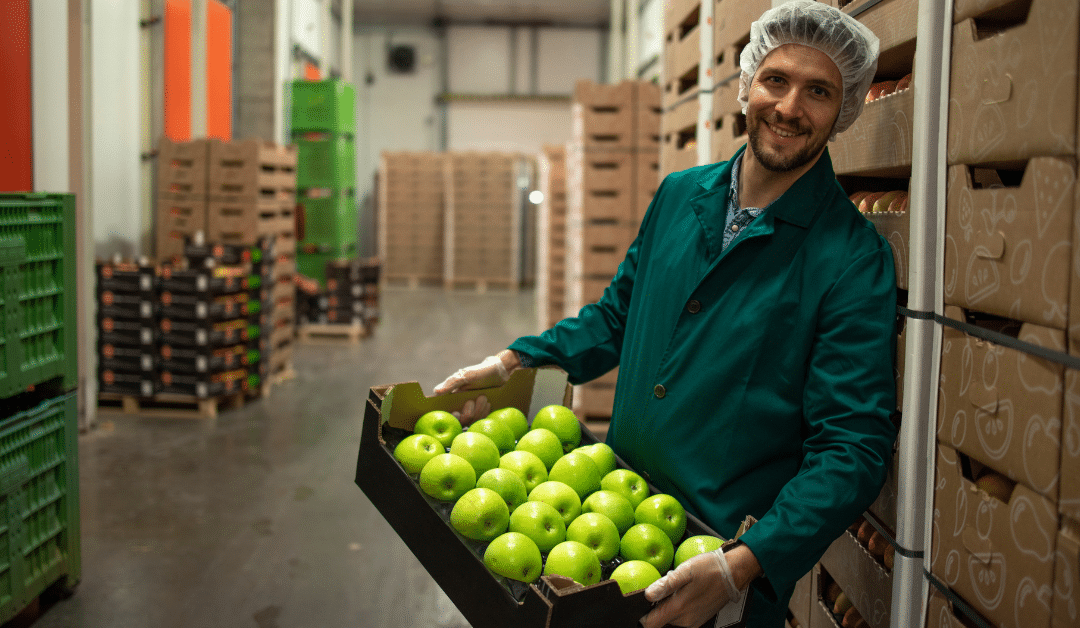
Cold storage has become one of the most important components of today’s food supply chain. As consumers expect fresh produce, dairy products, frozen foods, and refrigerated beverages to be available year-round, logistics providers must maintain strict temperature control from harvest through final delivery. Companies such as Lineage have helped demonstrate how large-scale cold storage networks contribute to the movement of perishable goods while supporting food safety and supply chain efficiency.
Modern cold chain logistics involves much more than refrigerated warehouses. It combines transportation, inventory management, technology, warehousing, and distribution into one coordinated system designed to preserve product quality. Every stage of this process plays an important role in reducing spoilage and ensuring products arrive in excellent condition.
Understanding the role of cold storage helps businesses make informed logistics decisions while appreciating how facilities like Lineage contribute to today’s distribution networks. Whether products are traveling across the state or across the country, maintaining proper environmental conditions remains essential to successful food distribution.
Understanding Cold Storage Logistics
Cold storage logistics refers to the storage, handling, and transportation of temperature-sensitive products within carefully controlled environments. Products such as fresh produce, dairy, frozen foods, meat, seafood, beverages, and pharmaceuticals all require specific temperature ranges to maintain quality and safety.
Unlike traditional warehousing, cold storage facilities use advanced refrigeration systems, insulated environments, and continuous monitoring to protect inventory throughout the storage process. Transportation providers then extend this controlled environment by using refrigerated trailers that maintain proper temperatures until delivery.
Companies like Lineage have helped demonstrate how integrated cold storage networks support the growing demand for fresh food while connecting producers, distributors, retailers, and consumers across large geographic regions.
Why Cold Storage Has Become More Important
Consumer expectations have changed dramatically over the past several decades. Grocery stores now offer fresh fruits and vegetables throughout every season, restaurants source ingredients from multiple regions, and food manufacturers depend on reliable refrigerated transportation to support production schedules.
These changing expectations require dependable cold storage infrastructure. Products often travel hundreds or even thousands of miles before reaching store shelves. Without proper refrigeration throughout that journey, spoilage would increase significantly.
Lineage represents how large-scale cold storage providers have responded to this demand by expanding refrigerated warehousing capacity and improving distribution networks that help preserve product quality throughout transportation.
As population growth continues and supply chains become increasingly complex, cold storage remains one of the most important investments within modern logistics.
Protecting Product Quality
Fresh food begins changing immediately after harvest or production. Temperature fluctuations accelerate these changes by increasing respiration, moisture loss, and bacterial growth. Even relatively small increases in temperature can shorten shelf life considerably.
Cold storage helps slow these natural processes by maintaining carefully controlled environments from receiving through outbound shipment. Proper refrigeration allows products to retain their texture, appearance, nutritional value, and overall freshness for much longer periods.
Facilities like Lineage demonstrate how temperature consistency helps distributors reduce spoilage while maintaining the quality standards consumers expect from fresh food products.
Reliable cold storage ultimately benefits every participant in the supply chain, including growers, distributors, retailers, restaurants, and consumers.
Supporting the Cold Chain
The cold chain refers to the uninterrupted temperature-controlled process that protects refrigerated products from origin through final delivery. Every participant within this chain has an important responsibility.
Growers begin by cooling products shortly after harvest. Refrigerated transportation moves products to warehouses where cold storage facilities maintain proper conditions until shipments are prepared for outbound distribution. From there, refrigerated trucks continue protecting products until they reach retailers or food service providers.
Companies like Lineage help strengthen this process by providing strategic warehouse locations that connect multiple transportation routes while maintaining product integrity.
A single break in the cold chain can compromise an entire shipment, making consistent coordination between transportation and storage providers essential.
Improving Inventory Management
Cold storage facilities also play an important role in inventory management. Rather than simply storing products, modern warehouses help businesses monitor inventory levels, rotate stock properly, and coordinate shipments efficiently.
Advanced warehouse management systems track product locations, monitor temperatures, and support first-in, first-out inventory practices that reduce spoilage.
Lineage illustrates how technology has become an essential part of refrigerated warehousing by combining storage with inventory visibility and operational planning.
Accurate inventory management allows distributors to respond more effectively to changing customer demand while reducing unnecessary product loss.
Supporting Seasonal Produce Distribution
Many fruits and vegetables are harvested during relatively short growing seasons. However, consumer demand continues throughout the year.
Cold storage makes this possible by allowing products to remain fresh while awaiting transportation or distribution. Facilities positioned near growing regions help prepare products for shipment to markets across the country.
Lineage has helped demonstrate how regional cold storage facilities support nationwide produce availability while giving growers access to larger markets beyond their immediate geographic area.
For distributors, this flexibility creates opportunities to serve customers more consistently despite seasonal changes in production.
Reducing Food Waste
Food waste remains one of the largest challenges facing the agricultural and logistics industries. Spoilage during storage or transportation results in financial losses while increasing environmental impact.
Cold storage helps reduce waste by preserving freshness, slowing deterioration, and improving inventory rotation. Products that remain within proper temperature ranges maintain higher quality and longer shelf life.
Facilities like Lineage contribute to waste reduction by combining refrigeration, inventory control, and coordinated distribution within one integrated system.
Reducing food waste benefits businesses through lower shrink while also supporting broader sustainability goals throughout the food supply chain.
Cold Storage and Transportation Work Together
Warehousing alone cannot maintain product quality. Transportation must continue protecting products once they leave storage.
Refrigerated trailers extend the cold chain by maintaining stable temperatures throughout transit. Drivers, dispatch teams, and warehouse personnel must coordinate carefully to minimize loading times and prevent unnecessary temperature exposure.
Companies like Lineage highlight how warehousing and refrigerated transportation function as complementary parts of the same logistics network rather than separate operations.
When both systems operate efficiently, products arrive fresher and supply chains become more reliable.
Technology Continues to Improve Cold Storage
Technology has transformed nearly every aspect of refrigerated logistics. Temperature sensors, automated monitoring systems, warehouse management software, GPS tracking, and predictive maintenance all contribute to improved operational performance.
Real-time monitoring allows logistics teams to identify potential issues before they affect product quality. Automated alerts help personnel respond quickly to equipment concerns or unexpected temperature changes.
Lineage demonstrates how modern cold storage operations increasingly rely on technology to improve efficiency while protecting sensitive inventory.
Digital tools also improve communication between transportation providers, warehouse managers, and customers by providing greater visibility throughout the shipping process.
Supporting Food Safety and Regulatory Compliance
Food safety is one of the primary reasons cold storage remains essential within the food supply chain. Perishable products must be maintained within specific temperature ranges to reduce the risk of bacterial growth and preserve product quality. Consistent refrigeration helps businesses meet industry regulations while protecting consumers.
Modern cold storage facilities follow detailed procedures for monitoring temperatures, maintaining sanitation standards, and documenting storage conditions. These processes help ensure products remain safe throughout every stage of distribution.
Companies like Lineage illustrate how refrigerated warehousing supports compliance by combining temperature-controlled environments with structured inventory management and quality assurance practices. Maintaining these standards protects both businesses and consumers while supporting confidence throughout the supply chain.
Benefits for Growers
Cold storage provides significant advantages for agricultural producers. Instead of rushing products directly to market immediately after harvest, growers gain additional flexibility by storing products in carefully controlled environments until transportation is available.
This flexibility allows producers to better coordinate shipments, respond to market demand, and reduce losses caused by timing issues or transportation delays.
Facilities like Lineage demonstrate how refrigerated warehousing helps connect farms with broader regional and national distribution networks. Access to dependable cold storage allows growers to reach customers farther away while maintaining the freshness consumers expect.
For many agricultural operations, cold storage has become an important part of expanding market opportunities and improving overall supply chain efficiency.
Benefits for Distributors and Retailers
Distributors and retailers also benefit from dependable cold storage operations. Reliable inventory availability allows businesses to replenish products more consistently while maintaining higher quality standards.
Cold storage supports better inventory planning by allowing products to move efficiently between transportation stages. Instead of receiving shipments only when transportation schedules permit, distributors can coordinate deliveries based on customer demand and warehouse capacity.
Companies like Lineage highlight how integrated cold storage helps reduce supply chain disruptions while improving product availability for grocery stores, restaurants, wholesalers, and food service providers.
Greater inventory consistency ultimately leads to stronger customer satisfaction and fewer product shortages.
Sustainability in Cold Storage Logistics
Sustainability continues to become a larger priority throughout the logistics industry. Cold storage providers are increasingly investing in equipment and operating practices that reduce environmental impact while improving efficiency.
Energy-efficient refrigeration systems, LED lighting, improved insulation, route optimization, and advanced monitoring technologies all contribute to lower energy consumption and reduced emissions.
At the same time, preserving product quality through effective cold storage helps reduce food waste, which is one of the largest environmental challenges facing the food industry.
Operations like Lineage demonstrate how investments in modern infrastructure can support both operational efficiency and long-term sustainability goals across the supply chain.
The Future of Cold Storage Logistics
Consumer demand for fresh food shows no signs of slowing. Online grocery shopping, direct-to-consumer delivery, meal kit services, and expanded produce availability continue increasing the need for dependable refrigerated logistics.
Cold storage facilities will likely continue expanding through automation, robotics, artificial intelligence, and advanced inventory systems that improve operational efficiency while maintaining strict temperature control.
Companies like Lineage reflect the broader trend toward larger, more connected cold storage networks capable of supporting increasingly complex food distribution systems.
As technology continues to evolve, transportation providers and cold storage operators will work even more closely together to maintain product quality from origin through final delivery.
Choosing the Right Cold Chain Partners
Building a successful cold chain requires more than selecting a warehouse or transportation provider independently. Businesses benefit most when every part of the logistics network works together toward the same goal of protecting product quality.
Important considerations include warehouse location, transportation capabilities, inventory visibility, communication, and temperature monitoring practices.
Facilities similar to Lineage demonstrate the value of integrating storage with broader logistics planning. However, dependable refrigerated transportation remains equally important because maintaining the cold chain extends well beyond warehouse walls.
Strong partnerships throughout the supply chain help businesses reduce shrink, improve customer satisfaction, and operate more efficiently over the long term.
Why Cold Storage Will Continue to Grow
Population growth, expanding food distribution networks, and changing consumer expectations continue increasing demand for refrigerated logistics services. Businesses require dependable systems that protect product quality while supporting efficient transportation across increasingly larger geographic regions.
Cold storage infrastructure allows distributors to meet these challenges by providing flexibility, visibility, and temperature control throughout the supply chain.
Companies like Lineage represent the ongoing investment taking place throughout the refrigerated logistics industry as businesses prepare for continued growth and evolving customer expectations.
Reliable cold storage will remain one of the foundations of successful food distribution for years to come.
Cold Storage Logistics
Cold storage logistics plays an essential role in protecting food quality, reducing waste, supporting inventory management, and strengthening supply chain performance. Facilities like Lineage demonstrate how temperature-controlled warehousing has become an important component of modern food distribution, helping businesses preserve freshness while improving operational efficiency.
As the demand for fresh and refrigerated products continues to grow, successful logistics strategies will depend on strong coordination between warehousing, transportation, and inventory management. Businesses that invest in dependable cold chain solutions are better positioned to deliver high-quality products while meeting the expectations of today’s consumers.
Ready to Strengthen Your Cold Chain?
Whether your business needs refrigerated transportation, produce distribution, or dependable logistics support, we’re committed to helping your products move safely and efficiently throughout the supply chain.
Stay up to date with the latest at CF Logistics LLC by connecting with us on Instagram, Facebook, and LinkedIn.