
Fresh produce distribution depends on speed, consistency, and careful temperature control from start to finish. Products often travel long distances before reaching retailers, restaurants, and consumers, making cold storage one of the most important parts of the supply chain. Companies like Manfredi have helped highlight the growing importance of temperature-controlled logistics and warehousing in the produce industry.
Cold storage does far more than simply keep products cold. It supports inventory management, protects freshness, reduces shrink, and allows produce to move through the supply chain efficiently. Without reliable cold storage systems, many fruits and vegetables would lose quality before they ever reached the shelf.
Understanding how cold storage supports produce distribution helps explain why facilities like Manfredi play such a significant role in modern logistics operations. In this article, we explore how cold storage works, why it matters, and how it helps preserve quality throughout fresh food distribution.
What Is Manfredi?
Manfredi is known within the cold chain and produce logistics industry for temperature-controlled warehousing and distribution services. Operations like Manfredi support fresh food supply chains by helping maintain proper storage conditions for produce and refrigerated goods before final delivery.
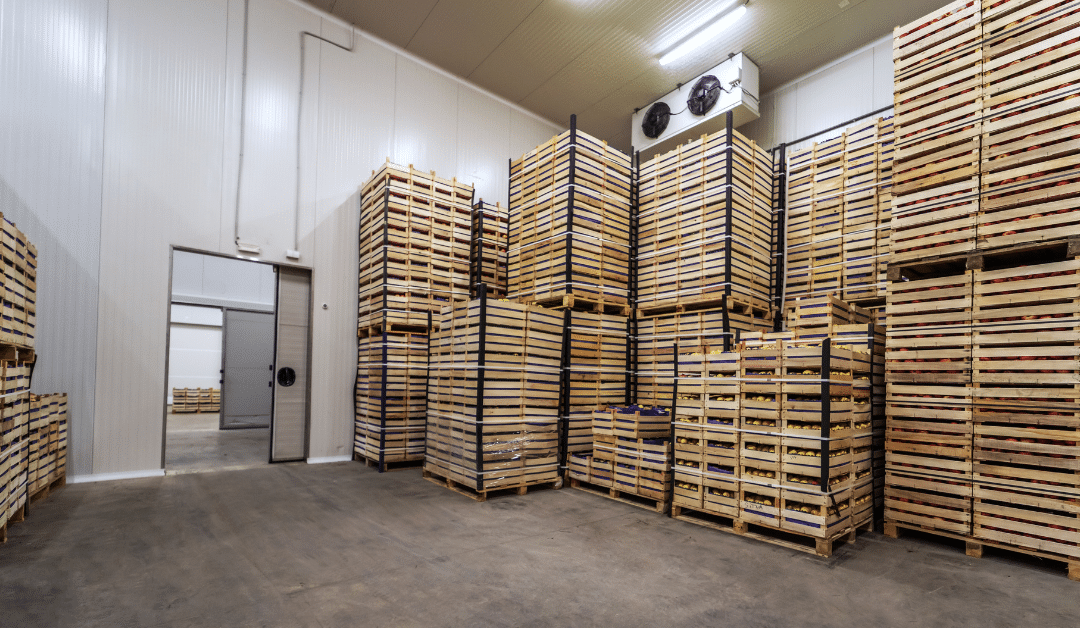
Facilities designed for cold storage provide controlled environments where products can be stored, sorted, and prepared for transport while preserving freshness and product integrity. Companies like Manfredi demonstrate how warehousing and logistics work together to support efficient produce distribution.
Cold storage facilities have become increasingly important as supply chains expand across larger regions and demand for fresh produce continues to grow year-round.
Why Cold Storage Matters in Produce Distribution
Fresh produce is highly perishable. Temperature changes, excess moisture, and delays in transit can quickly reduce quality and shorten shelf life. Cold storage helps prevent these problems by creating a stable environment for products while they move through the supply chain.
Cold storage supports produce distribution by:
- Maintaining consistent temperatures
- Reducing spoilage
- Extending shelf life
- Supporting inventory management
- Improving transportation coordination
Without proper cold storage, distributors would struggle to maintain freshness and retailers would experience significantly higher levels of product loss.
Preserving Freshness Through Temperature Control
Temperature management is one of the most important aspects of produce logistics. Different fruits and vegetables require specific storage ranges to maintain texture, flavor, and appearance.
Facilities like Manfredi help maintain these conditions by using advanced refrigeration systems and carefully monitored environments. Stable temperatures protect products from premature deterioration and help preserve freshness during storage and staging.
When products remain within the correct temperature range, retailers receive inventory with stronger shelf life and better visual quality. This consistency improves customer satisfaction and reduces shrink throughout the supply chain.
Supporting Longer Shelf Life
One of the biggest advantages of cold storage is shelf life extension. Fresh produce begins to deteriorate as soon as it is harvested, but proper cooling slows that process significantly.
Manfredi and similar cold storage operations help products remain viable for longer periods by controlling both temperature and humidity. This additional shelf life gives distributors and retailers more flexibility when managing inventory and delivery schedules.
Longer shelf life also helps reduce food waste, which is an important financial and environmental goal across the food distribution industry.
Helping Coordinate Transportation and Distribution
Cold storage facilities often serve as key transition points between transportation stages. Products may arrive from farms, remain in storage temporarily, and then move back onto refrigerated trucks for regional or national delivery.
Facilities like Manfredi support this coordination by allowing shipments to be organized efficiently before outbound transportation begins. This process improves delivery timing and helps distributors manage changing demand patterns.
Cold storage and transportation work together as part of a larger cold chain network. When both systems operate efficiently, produce moves more consistently and arrives in better condition.
Reducing Shrink and Product Loss
Shrink is one of the biggest challenges in produce distribution. Spoilage, temperature fluctuations, and handling damage all contribute to product loss throughout the supply chain.
Cold storage helps reduce shrink by maintaining stable conditions and minimizing unnecessary exposure to heat or moisture. Products stored correctly are less likely to deteriorate before reaching their destination.
Operations like Manfredi also help reduce shrink by improving inventory rotation and shipment timing. Products move through the system more efficiently, reducing the amount of time spent sitting in uncontrolled environments.
Inventory Management and Visibility
Modern cold storage facilities do more than store products. They also support inventory tracking and distribution planning. Accurate inventory visibility helps businesses manage supply levels, prepare orders, and avoid unnecessary delays.
Manfredi and similar operations use inventory systems that track incoming and outgoing shipments while monitoring storage conditions. This visibility supports better forecasting and improves coordination across the supply chain.
When distributors have accurate inventory data, they can respond more quickly to changing demand and maintain more consistent product availability.
Supporting Seasonal Produce Demand
Produce distribution changes throughout the year as harvest seasons shift. Cold storage facilities help businesses manage these seasonal changes by providing flexible storage capacity.
During peak harvest periods, facilities like Manfredi can support higher inventory volumes while preserving product quality. During slower seasons, cold storage still helps maintain steady supply levels across different markets.
This flexibility allows produce distributors to adapt to seasonal fluctuations without sacrificing freshness or delivery reliability.
The Role of Technology in Cold Storage
Technology has become an important part of modern cold chain operations. Monitoring systems track temperature, humidity, and equipment performance in real time.
Facilities like Manfredi use these technologies to maintain consistent conditions and quickly respond to any issues. Automated alerts and reporting systems help teams identify problems before they affect product quality.
Technology also improves operational efficiency by supporting inventory management, scheduling, and communication throughout the supply chain.
Supporting Food Safety and Compliance
Food safety is a major priority in produce logistics. Cold storage facilities must maintain strict standards to ensure products remain safe for consumption.
Temperature monitoring, sanitation procedures, and proper handling practices all play important roles in maintaining compliance. Facilities like Manfredi help support these standards by operating within controlled environments designed specifically for perishable products.
Strong food safety practices protect consumers while also reducing liability and financial risk for distributors and retailers.
Why Cold Storage Is Essential for Modern Supply Chains
As food distribution networks continue to grow, cold storage becomes even more important. Consumers expect fresh produce year-round, regardless of local growing seasons. Meeting that demand requires efficient logistics systems supported by temperature-controlled environments.
Companies like Manfredi represent how cold storage infrastructure supports larger distribution networks. These facilities help bridge the gap between growers, transportation providers, warehouses, and retailers.
Without reliable cold storage, nationwide produce distribution would be far more difficult and product quality would suffer significantly.
Final Thoughts
Cold storage plays a critical role in modern produce distribution by preserving freshness, reducing shrink, and supporting efficient transportation. Facilities like Manfredi help maintain the controlled environments needed to protect perishable products throughout the supply chain.
By supporting temperature management, inventory coordination, and transportation planning, cold storage strengthens every stage of produce logistics. As demand for fresh food continues to grow, these systems will remain essential for maintaining quality and reliability across distribution networks.
Ready to Strengthen Your Cold Chain?
We support temperature-controlled transportation and logistics solutions designed to protect product quality from pickup through final delivery.
Stay up to date with the latest at CF Logistics LLC by connecting with us on Instagram, Facebook, and LinkedIn.